Making your own scratch cards is like bringing a touch of lottery-style magic to your DIY projects.
Whether it’s a handmade birthday card, a surprise reveal, or a fun game for a party, scratch cards add that extra bit of excitement.
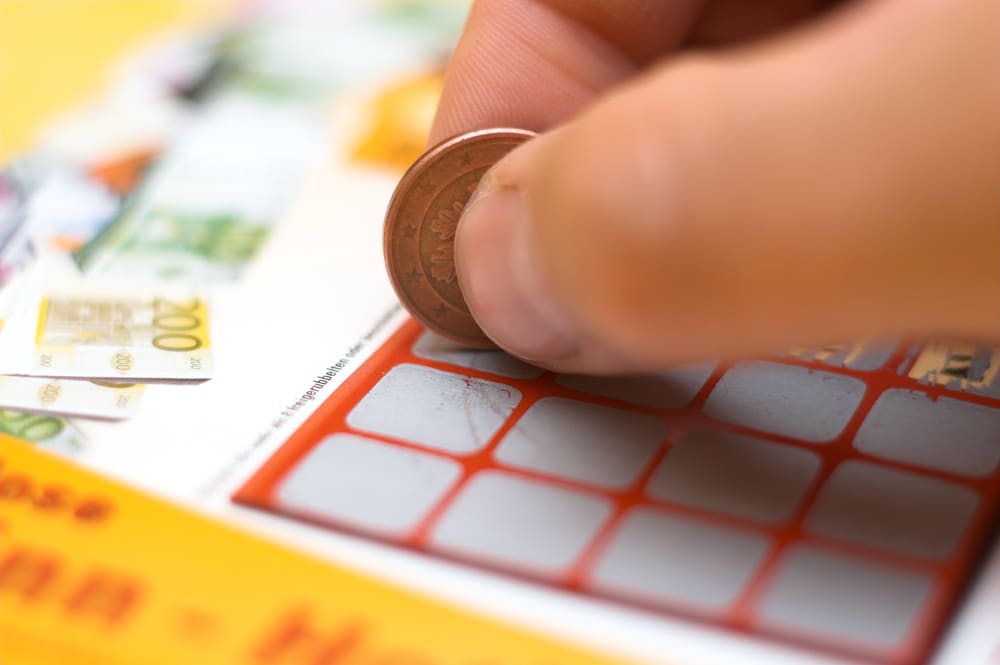
Sure, there’s the odd moment when the sticker doesn’t go on quite straight, or you’re trying to find the perfect coin to test it, but that’s part of the charm.
The best bit? You’re in control of the design and the surprises hidden underneath.
From silly jokes to heartfelt messages, homemade scratch cards are a creative way to add some interactive fun to your crafts—and who doesn’t love a good scratch and reveal?
They tap into the same joy people get from simple games, where curiosity and surprise are all part of the experience.
What began as a way to provide instant lottery results has evolved into a creative phenomenon that crafters and DIY enthusiasts have embraced with open arms.
DIY Scratch Cards
Today’s crafters are discovering the joy of creating personalised scratch cards using readily available scratch-off sticker sheets.
These innovative materials allow anyone to transform ordinary cards and paper into exciting interactive surprises.
The trend has gained significant momentum, particularly for special occasions like birthdays, wedding announcements, and creative marketing campaigns.
Understanding the Technology
Modern scratch cards use a layer of latex bonded securely on top of custom printed cards.
While traditionally appearing in silver, these panels can now be found in gold, black, or custom colours.
The DIY versions utilise similar technology but in a more accessible format – adhesive sticker sheets that can be easily applied to any paper surface.
The beauty of making your own scratch cards lies in their versatility. Parents are using them to create engaging reward systems for children, while businesses are incorporating them into marketing materials to boost customer engagement.
Research shows that engaged customers can generate 51% more revenue and sales than disengaged customers.
Making Your Own
The process of making your own scratch cards has become remarkably straightforward.
The basic method involves designing your message or surprise on paper, applying the scratch-off sticker over the content, and customising the outer appearance.
The scratch-off material adheres well to most paper types, making it perfect for cardstock, postcards, and even standard printer paper.
The market offers various styles of scratch-off materials. Gold and silver remain the most popular choices, but there’s a growing trend toward printable versions that allow for complete customisation.
Some manufacturers now offer heart-shaped stickers and other decorative options, perfect for romantic occasions or special celebrations.
Professional Quality at Home
What makes these DIY scratch cards particularly appealing is their professional appearance.
When properly applied, the scratch-off surface provides the same satisfying reveal experience as commercial scratch cards.
This quality has made them increasingly popular for small businesses looking to create professional marketing materials without significant investment.
Interestingly, educational institutions have begun incorporating DIY scratch cards into their teaching methods.
Studies show that these interactive elements significantly increase student participation and enthusiasm in learning activities.
Teachers report that the tactile nature of scratch cards provides a refreshing break from digital learning tools while maintaining high engagement levels.
Cost-Effective Marketing
For businesses, DIY scratch cards represent an affordable marketing solution.
The materials are relatively inexpensive, and the potential return on investment is substantial.
Small businesses particularly appreciate the ability to create professional-looking promotional materials that can compete with larger companies’ marketing efforts.
Scratch-off materials are widely available through craft suppliers and online marketplaces such as Amazon.
Many manufacturers offer starter kits that include everything needed to begin creating custom scratch cards.
The materials typically come in standard paper sizes, making them compatible with home printers and easy to work with.
Environmental Considerations
Modern DIY scratch card materials are designed to be more environmentally friendly than traditional lottery scratch cards.
Many manufacturers now offer biodegradable options, allowing crafters to create interactive experiences without significant environmental impact.
Some creative individuals are combining physical scratch cards with digital elements by incorporating QR codes or linking to online content, creating a hybrid experience that appeals to both traditional and tech-savvy audiences.
Trends
The DIY scratch card movement continues to evolve, with new applications emerging regularly.
From interactive wedding invitations to innovative business cards, the possibilities seem endless.
The trend shows no signs of slowing, with more people discovering creative ways to incorporate this engaging element into their projects.
Why They Work
The psychology behind scratch cards’ effectiveness is fascinating. They create anticipation and engagement through the simple act of revealing hidden information.
This interaction makes the experience more memorable and enjoyable for recipients, whether they’re customers, students, or loved ones.
For those interested in creating their own scratch cards, the initial investment is minimal.
Basic materials include the scratch-off stickers, cardstock or paper, and basic design tools.
Many crafters start with simple projects and gradually progress to more complex designs as they gain confidence and expertise.
The DIY scratch card phenomenon represents a perfect blend of traditional crafting and modern interactivity.
Whether used for personal projects, educational purposes, or business promotion, these versatile tools continue to capture imaginations and create engaging experiences.
As more people discover the joy of creating their own scratch cards, we can expect to see even more innovative applications of this simple yet effective concept.